

The Allure of Risk and Reward
Gambling in casinos captivates individuals by presenting a tantalizing mix of risk and reward. The psychological thrill stems from the potential for winning substantial sums of money against the backdrop of the inherent risk of losing, particularly when considering options like neosurf casino instant withdrawal for quick payouts. This delicate balance between the excitement of the gamble and the fear of loss triggers the brain’s reward center, releasing dopamine and creating feelings of pleasure and elation whenever a player wins, however small the victory may be. The anticipation of a win can create a euphoric state, further enhancing the desire to engage in gambling activities.
The anticipation that accompanies gambling is a key factor in its psychological appeal. Players often experience a rush before a bet is placed, and this adrenaline surge heightens their engagement. The moment of uncertainty—whether the dice will roll in their favor or the card they draw will lead to victory—fuels a desire to play. This unpredictability not only keeps players on the edge of their seats but also encourages them to return for more, perpetuating a cycle of gambling behavior. The thrill of the unknown can become addictive, as players seek out the emotional highs associated with the possibility of winning.
Moreover, traditional casinos are designed to amplify this allure. The sounds of coins clinking, flashing lights, and vibrant colors create an immersive environment that stimulates the senses. Such an atmosphere is intentionally crafted to enhance emotional responses, drawing players deeper into the experience. As individuals become increasingly engaged, their capacity for rational decision-making may diminish, often leading to extended play sessions and increased gambling behavior. This sensory overload can create a disconnection from reality, making it easier for players to lose track of time and money.
Social Influences in Gambling Behavior
The social environment of casinos plays a significant role in shaping gambling behavior. Many individuals gamble in groups, whether with friends or strangers, which can amplify the excitement and enjoyment of the experience. The collective atmosphere in casinos fosters camaraderie, as players share in the highs and lows of wins and losses. This social dynamic can further enhance the chemical reactions in the brain, reinforcing the pleasure associated with gambling. Players often find themselves caught up in the energy of the crowd, which can lead to heightened risk-taking behaviors.
Additionally, peer pressure can influence gambling decisions. Observing others winning can stimulate competitiveness and encourage individuals to take bigger risks, even when it contradicts their typical behavior. The presence of others can shift an individual’s perception of acceptable risk, leading to impulsive betting or even binge gambling. This social phenomenon highlights the importance of group dynamics in understanding the psychology of gamblers and why individuals may persist in gambling despite negative outcomes. The desire to fit in can sometimes outweigh rational thinking, resulting in decisions that are not in a player’s best interest.
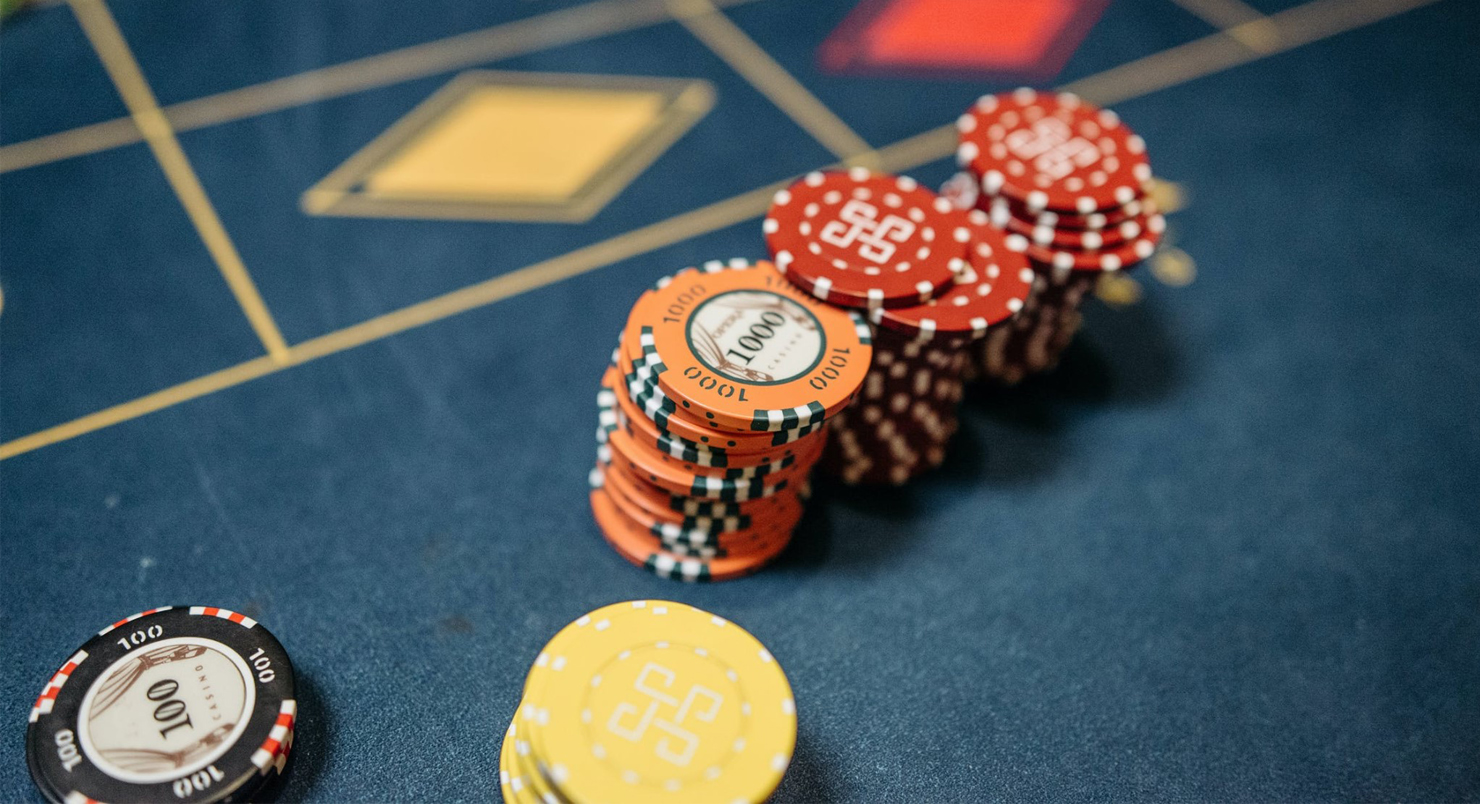
The casino community also provides a sense of belonging for many players. Regular visitors often create informal networks, where friendships are formed and shared experiences are celebrated. For some, the casino becomes a second home, offering a refuge from the stresses of daily life. This emotional attachment can drive continued engagement in gambling activities, as individuals seek not only monetary rewards but also social fulfillment and connection. Such bonds can create a powerful incentive for players to return, reinforcing their gambling habits over time.
The Role of Cognitive Biases
Cognitive biases significantly influence gambling behavior, often leading individuals to make irrational decisions. One prominent bias is the illusion of control, where players believe they can influence or predict the outcomes of games of chance. This misconception can lead gamblers to engage in superstitious behaviors, such as using lucky charms or specific rituals before placing bets, further entrenching them in the gambling experience. Such beliefs can create a false sense of security, making it difficult for players to recognize when they are being irrational.
The gambler’s fallacy is another cognitive bias that affects the decision-making process. This phenomenon occurs when players assume that past outcomes influence future probabilities—believing, for example, that a slot machine is “due” for a payout after a long dry spell. Such faulty reasoning can lead to excessive betting, as players remain convinced that their luck will change, often resulting in significant financial losses. Understanding this fallacy is crucial for gamblers to break free from unproductive patterns and make more informed choices.
Moreover, the framing effect plays a crucial role in how gambling scenarios are perceived. Players may react differently depending on how information is presented, such as framing a loss as a “near win.” This can create a false sense of hope, leading individuals to continue gambling in the belief that they are closer to winning than they actually are. Recognizing these cognitive biases is vital for understanding why people engage in seemingly irrational gambling behavior and how these biases can perpetuate a cycle of play. Awareness of these thought patterns can help players develop healthier gambling habits and a more realistic perspective on their experiences.
The Impact of Emotions on Gambling Decisions
Emotions significantly influence gambling behaviors, often dictating whether individuals choose to bet or walk away. For many players, their emotional state can become intertwined with their gambling experiences. Positive emotions, such as excitement or euphoria from a win, can propel players to continue gambling, while negative emotions, such as frustration or sadness from a loss, might lead them to chase their losses in a misguided attempt to recover. This emotional rollercoaster can create a dependence on gambling for emotional regulation. It’s not uncommon for players to resort to gambling as a coping mechanism for stress or anxiety, further complicating their relationship with the activity.
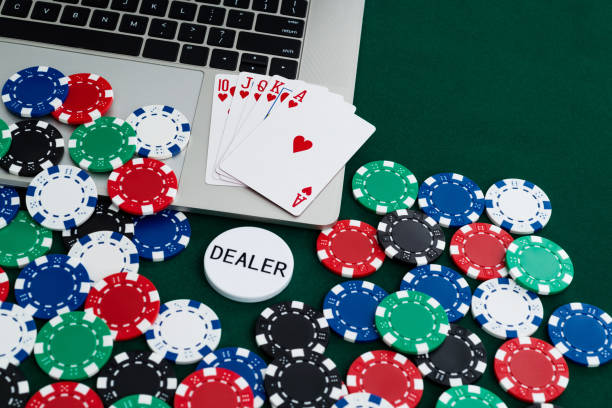
Research has shown that the feeling of elation when winning can act as a powerful motivator for future gambling. Similarly, losses can evoke feelings of regret and disappointment, prompting players to gamble again in hopes of overcoming these negative emotions. This cycle of seeking both emotional highs and recovery from lows illustrates how gambling can become a coping mechanism for many individuals, fostering a potentially unhealthy relationship with gaming. The desire to escape from negative feelings can lead to a pattern of behavior that reinforces their gambling habits rather than alleviating their problems.
The environment within casinos also plays a critical role in shaping emotional responses. The stimulating atmosphere, filled with sounds and sights designed to evoke excitement, can lead to heightened emotions. The ambiance often emphasizes wins while downplaying losses, guiding players toward irrational decisions that favor continued play. Understanding this emotional interplay is crucial for addressing problem gambling and developing more responsible gambling practices that promote emotional well-being. By creating awareness around the emotional triggers associated with gambling, individuals may find healthier outlets for their feelings.
Understanding Responsible Gambling and Resources
As the complexities of gambling psychology are explored, the importance of responsible gambling practices becomes increasingly evident. Education about the nature of gambling, potential risks, and cognitive biases can empower players to make informed decisions. When individuals recognize the psychological traps that can lead to excessive gambling, they can better manage their behavior and create healthier relationships with gambling. Programs that focus on education, awareness, and skill development can play a vital role in fostering responsible gambling habits.
Numerous organizations and resources exist to support responsible gambling initiatives. Many casinos offer programs to encourage self-exclusion or limit-setting features, allowing players to control their gambling habits actively. Additionally, counseling services and hotlines provide assistance to those struggling with problem gambling, offering a pathway to recovery and support. These resources are essential for individuals who may not recognize the extent of their gambling behavior and need guidance on how to regain control.
Awareness and open dialogue about the psychology of gambling can help mitigate potential harms. By fostering public conversations about responsible gambling, casinos and communities can work together to create an environment that prioritizes player safety and promotes healthy gambling behaviors. This proactive approach not only benefits individuals but also enhances the overall gaming experience in casinos. Through collaboration and a focus on education, the gambling community can help ensure that players engage with the activity in a responsible and enjoyable manner.